Bali’s Digital Borders: A Shift to ‘Quality Tourism’ or a Modern-Day Witch Hunt?

From the perpetually gridlocked streets of Ubud to the increasingly crowded cliffs of Uluwatu, this unique island is currently undergoing one of the most complex legal transformations of the digital age. Long celebrated as the global capital for backpackers, digital nomads, and content creators, Bali is shelving its "island of freedom" image and harshly rewriting the rules.
Today, you might need to think twice before sipping a coffee you paid for out of pocket or praising your favorite boutique hotel on social media. In the eyes of the Indonesian immigration office, an innocent location tag left on a screen can instantly turn you into an immigration offender engaging in illegal commercial activity.
But why has a years-long influencer paradise suddenly transformed into a digital surveillance state? The answer lies neither solely in the oppressive policies of the authorities nor merely in the recklessness of content creators. What we are witnessing is an asymmetrical landscape filled with gray areas, caught between the devastation of overtourism and the state's method of managing this crisis.

The Era of ‘Content for Deportation’
Established in April 2026, the special Dharma Dewata task force has moved traditional passport controls directly into the digital realm. The numbers prove how seriously this is being taken: In just the first five months of the year, 6,779 enforcement actions involving foreign nationals were conducted, 2,026 individuals were deported or had their visas canceled, and over 1,300 were added to Indonesia's immigration blacklist.
Under the new legal framework, no physical money needs to change hands. A sponsored stay, a free barter with a venue, or any social media collaboration with commercial value is officially classified as "work." Engaging in these activities on a tourist visa is now a blatant crime. The only legal way to create content on the island is to hold specialized visas with stringent requirements, such as the C5A (Content Creator Visa).
Tourist Responsibility and the $10 Tax
Looking at the other side of the coin, it would be unfair to say the Indonesian government's harsh reflex is entirely unfounded. Bali's unchecked surge in popularity brought with it severe degradation. A problematic tourist demographic—disrespecting sacred sites, secretly running commercial businesses on tourist visas, consuming the island's resources, and contributing nothing to the tax system—drew justified anger from the local population.
To filter out this demographic and transition to the oft-cited "quality tourism," the government began collecting a tourist tax of approximately $10 (175,000 IDR) from every foreigner setting foot on the island. The official purpose of the fund is clear: to preserve the island's unique culture, restore nature, and strengthen infrastructure. After all, along the northern coasts and in the interior, there remains an untouched, mesmerizing natural heritage that desperately needs protection.

The Gray Area Where Good Intentions Are Punished: Self-Censorship and Volunteering
However, the drastic sharpening of these rules undermines transparency and creates massive gray areas. The problem isn't just the anxiety—and the chilling effect of self-censorship—experienced by self-funded tourists trying to prove to officers that they aren't engaged in a "hidden collaboration." Even more tragically, this legal ambiguity strikes at the heart of civic initiatives aiming to benefit the island.
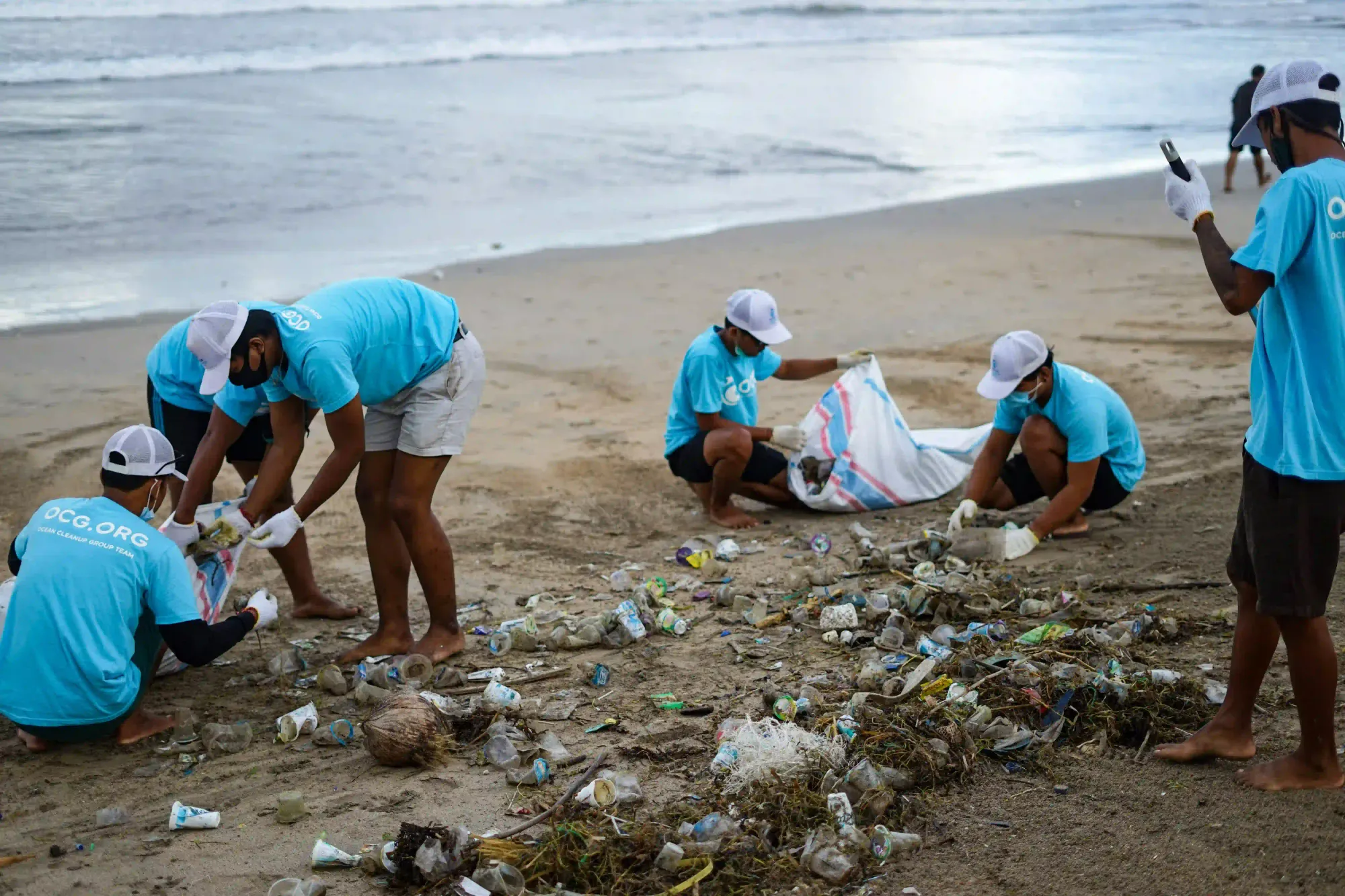
For years, voluntary beach cleanups organized by foreigners standing shoulder-to-shoulder with locals have fallen victim to the uncertainty of the new visa bans. The definition of "unauthorized work" has been stretched so far that even a tourist picking up a trash bag to protect the environment cannot be sure if they are taking a legal risk. Paralyzing well-intentioned civic solidarity under the suspicion of illegal activity is one of the greatest disservices to the island's own community dynamics.
Vision or Window Dressing?
This is exactly where the core systemic contradiction gets tangled. While the Bali administration spends a massive surveillance budget in the digital sphere and scrutinizes tourists' Instagram stories, the island's physical reality continues to gasp for air. The colossal plastic crises that take beaches hostage during monsoon seasons, the chronic traffic that has reached the point of paralysis, and the severe lack of infrastructure unable to bear the weight of mass tourism are laid bare for all to see.
Despite millions of dollars collected in tourist taxes, the pace of structural investments lags far behind the speed of social media operations. Given this reality, a critical question inevitably comes to mind:
Is hunting down vloggers' location tags truly the way to halt Bali's ecological and social collapse? Or is this digital witch hunt simply an easy bit of window dressing chosen to cover up the fundamental, structural crises that actually require billions of dollars and profound vision to solve?
The future of travel does not lie in the end of free holidays; it is hidden in how honestly we can confront these contradictions.