Hiding From the Saviors: Technology, Trauma, and Survival in the Amazon
The miraculous survival of four indigenous children in the Colombian Amazon exposes the physical limits of modern surveillance technology and the dark irony of a forced synthesis between military might and traditional ecological knowledge.
Deep in the Colombian Amazon, the wreckage of a plane that crashed in May 2023 evolved into a case study that redefines our modern survival reflexes and hubris. Among the adults on board, the pilot and an indigenous leader died immediately after the crash, while the children's mother passed away four days later. Left behind were four Huitoto indigenous children—the oldest 13, the youngest a mere 11-month-old baby.
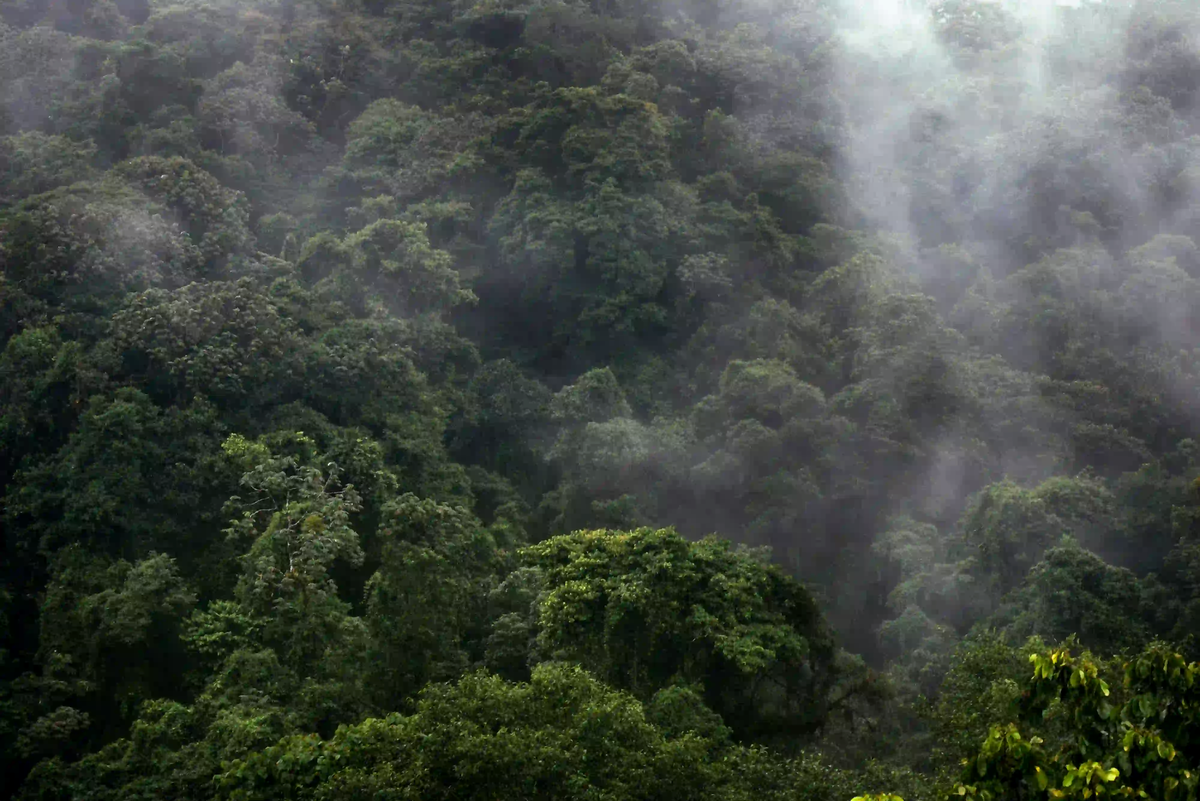
The state's response instantly triggered the technological scenario we have grown accustomed to. Twenty-five minutes after the crash, the plane’s Emergency Locator Transmitter (ELT) activated, establishing a search area of roughly 1.5 square miles. But technology's success ended there. The Colombian army's special forces, infrared sensors, and satellite networks rapidly lost their functionality against the forest’s 40-meter canopy and oppressive humidity. The limits of optical hardware had been reached.
Traditional Ecological Knowledge (TEK)
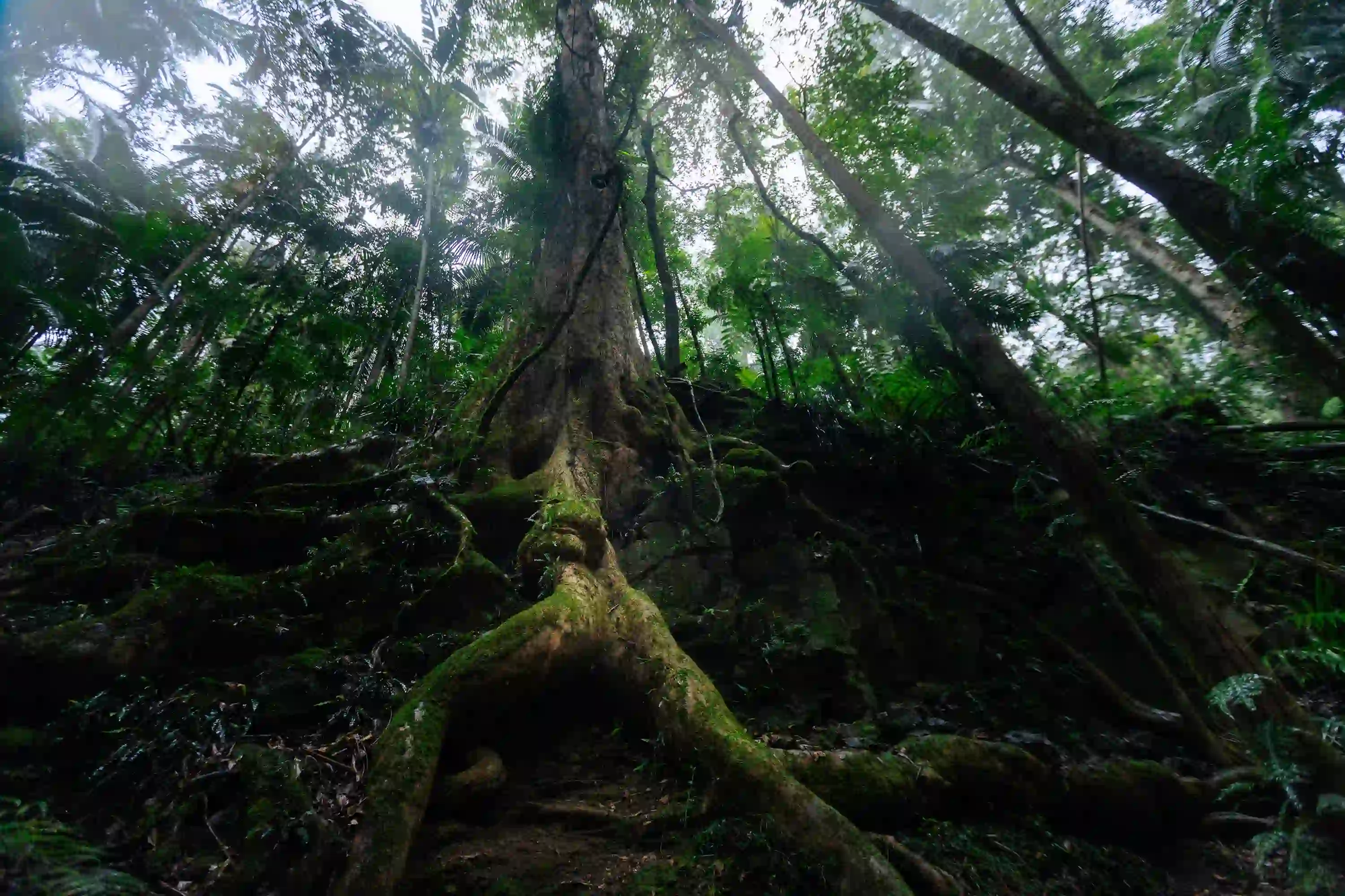
While airborne hardware faltered against physical barriers, an entirely different scientific principle operated beneath the massive trees—a millennia-old database referred to in academia as "Traditional Ecological Knowledge" (TEK). To survive, 13-year-old Lesly relied on the ancient data transfer she inherited from her grandmother. She kept her infant sister alive by mixing cassava flour (farina) salvaged from the wreckage with water; she chewed and mashed juan socofruit and milpeso palm seeds she found in the forest so the babies could swallow them. She collected rainwater in an empty soda bottle and built shelters by binding branches together with hair ties.
The Birth of a Tense Synthesis
What altered the fate of the operation (Operación Esperanza) was not a romantic, flawless harmony; on the contrary, it was a tense and forced collaboration dictated by desperation. Initially, the operation's commander, General Pedro Sánchez, refused to include indigenous trackers in the search efforts, arguing they lacked military training and would not follow orders. The distrust was mutual; indigenous communities also distrusted the soldiers due to the army's history of violence and its record of "false positives" (killing civilians and falsely labeling them as rebels).
Yet, as weeks passed, the soldiers grew exhausted, and family pressure mounted, compelling these historically hostile worlds to unite. This integration was far from seamless. In the early days, soldiers slept with their rifles by their sides at night, fearing the indigenous volunteers next to them. Over time, however, military hubris broke down. Soldiers watched as indigenous trackers demonstrated how to drink water from tree roots, and they chewed mambé (crushed coca leaves) alongside them to sharpen their minds.
The most tangible and tragicomic moment of this agonizing synthesis was the sound echoing from a military helicopter down into the depths of the forest. The army was not broadcasting an aerial emergency siren; they were playing a pre-recorded message of the children’s grandmother. In her native tongue (Huitoto), the grandmother told the children to stay calm and remain where they were.
A piece of military hardware had transformed into a carrier of ancient affection. Colombian President Gustavo Petro would summarize this unprecedented and mandatory collaboration in a single sentence:
"The meeting of indigenous and military knowledge."
However, the darkest irony of the story unfolded on the ground. Lesly had heard her grandmother’s voice descending from the sky; yet, when she saw uniformed, armed men in the forest, she did not run toward them, but instead grabbed her siblings and hid. Her mother had taught her to protect herself from rebel groups, and she did not believe the armed men had come to rescue her. In the eyes of the children, the modern state's massive search-and-rescue apparatus was not a savior, but a threat to flee from. What kept the children alive was neither technology alone nor the mercy of the forest; it was their reliance on ancient memory while fleeing the trauma created by the system.
Today, we have delegated our existence and safety to the uninterrupted functioning of technological systems and the assumption that algorithms can locate us at any moment. But what if, one day, the real threat comes from the very system you thought would be your savior; do you have a single fragment of ancient memory left in your mind, independent of satellites and GPS signals, to keep you alive?