The €3,000 Crime in Your Suitcase: How an Innocent Seashell Triggers Biological Collapse
A handful of sand seems like a harmless souvenir. Why are airports treating it as an eco-crime that accelerates coastal erosion?
At the security checkpoint of Cagliari Elmas Airport in Sardinia, an officer pauses the scanner screen. Deep inside a suitcase lies a dense, familiar mass. It is not a weapon, an explosive, or smuggled electronics. It is pure white sand taken from the island's world-renowned beaches, tightly packed into a transparent water bottle.
In the security rooms, thousands of plastic evidence bags pile up, marked with confiscation dates and flight numbers. Inside are pebbles, fine sand, and carefully selected seashells. Under a regional law enacted in 2017, the owner of this suitcase is about to face a hefty fine ranging from €500 to €3,000.
At first glance, turning a single seashell in your pocket into an international crime might seem like bureaucratic overreach. We rationalize our actions with a simple, innocent defense: "It’s so small, what harm could it do?" Yet, behind this seemingly harmless habit lies a cumulative destruction that is silently dismantling the planet's coastal ecosystems.
The Infinite Sandbox Fallacy
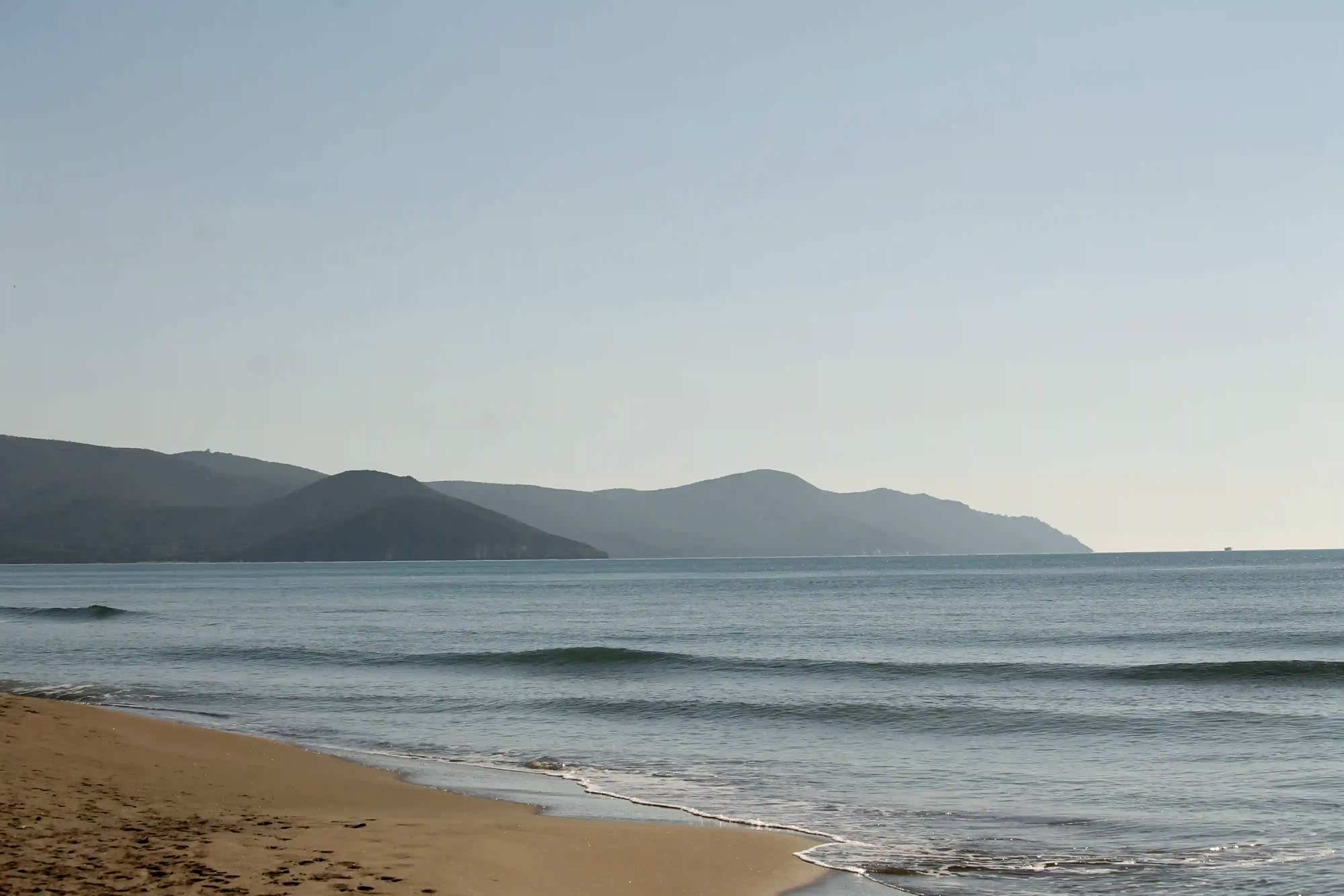
Our modern understanding of tourism tends to perceive ocean shores as a massive, self-replenishing "infinite sandbox." When we take a handful of sand or a shell, we assume the gaping void left behind will magically be filled by the morning tide. Science, however, rejects this romantic delusion.
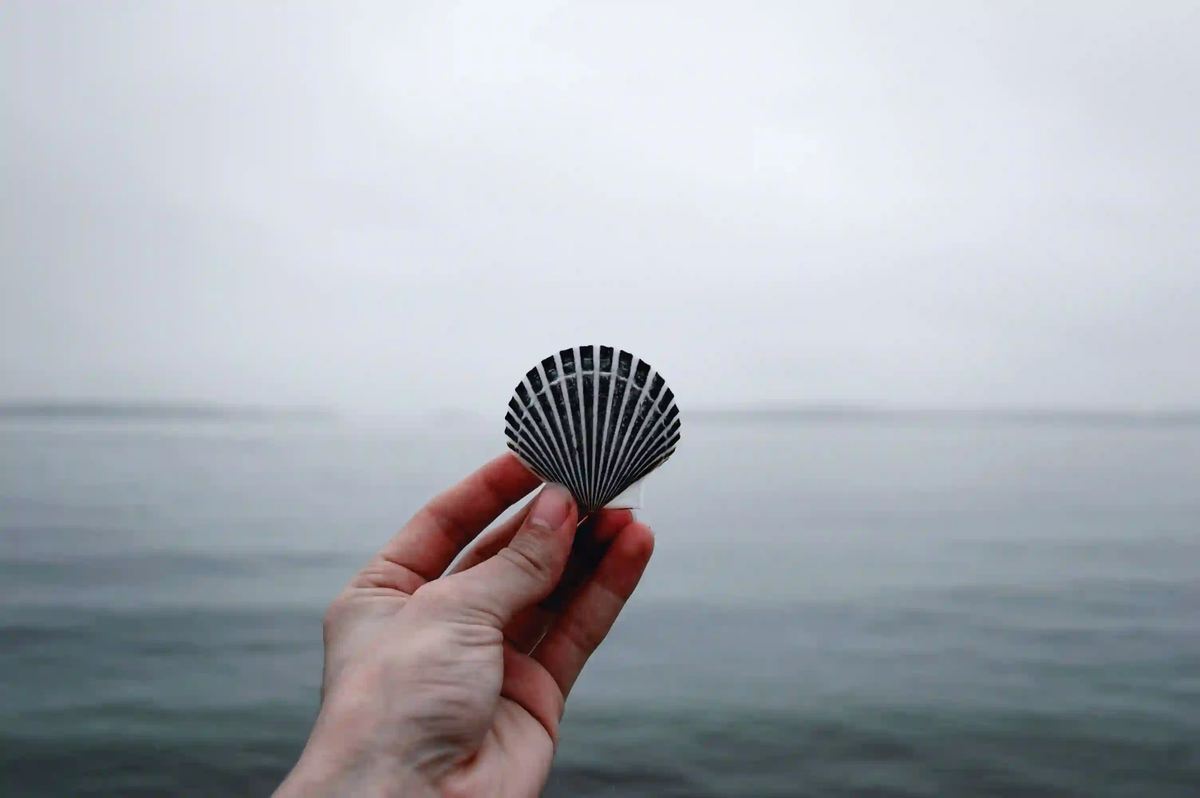
A beach is not merely a random pile of stones; it is a highly sensitive and fragile biological architecture. The grains of sand we admire are composed of the remnants of rocks, coral reefs, and marine life pounded by waves over millennia. Seashells, in particular, are not just aesthetic ornaments of this ecosystem—they are its load-bearing columns.
As waves crash against the shore, shells are ground down into microscopic fragments, maintaining the ocean's calcium carbonate balance. This balance acts as the greatest physical shield slowing down coastal erosion. More importantly, that flawless seashell you took to display on your shelf is actually the future home of a hermit crab. Seabirds rely on these remnants to build their nests, and microorganisms colonize within the hollows of these shells.
Sardinian customs officials extract nearly 10 tons of sand and natural materials from tourist luggage every year.
When millions of people operate on the "just a small piece" logic, it ceases to be a simple act of collecting souvenirs. It becomes the systematic dismantling of a bio-architecture's foundational blocks. When the architecture weakens, the ecosystem collapses, erosion accelerates, and the beach slowly dissolves into the ocean, vanishing entirely.
Beyond the Law: Pele’s Curse
While the coastlines of Sardinia and France seek solutions to halt this erosion through heavy fines and strict customs controls, a much stranger and darker phenomenon unfolds on the other side of the world.
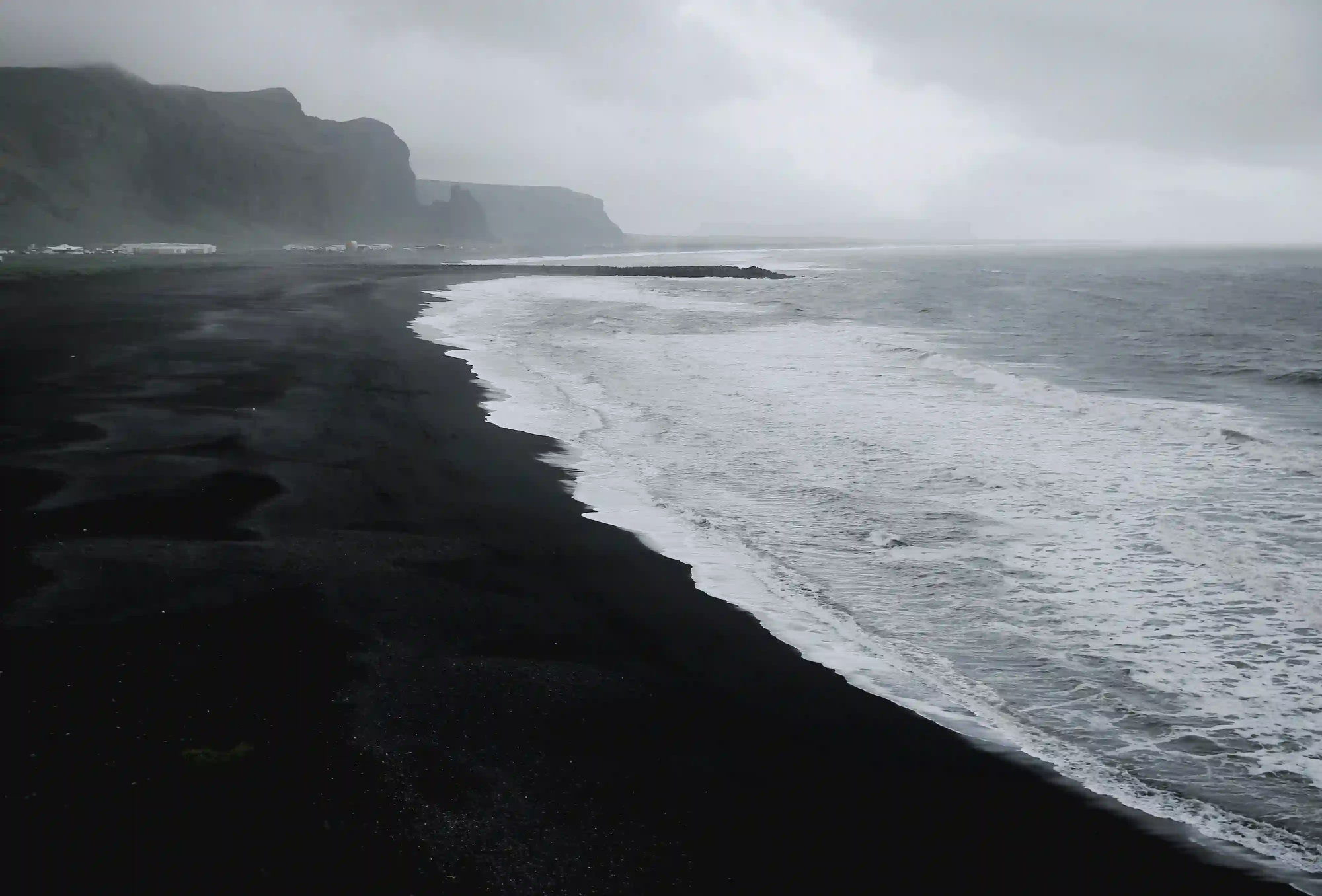
In Hawaii, locals believe the island's volcanic rocks and black sand are sacred. According to cultural lore, the volcano goddess Pele punishes anyone who steals natural materials from the islands with terrible misfortune. This is known as Pele's Curse. In the modern world, you might dismiss this as a mere myth. Yet, every year, national park offices and post offices in Hawaii receive thousands of anonymous packages from across the globe.
Inside these packages are volcanic rocks and handfuls of sand—sometimes secretly taken on vacations decades ago—accompanied by desperate apology letters. Divorced, bankrupt, or terminally ill tourists blame the disasters in their lives on that small rock they threw into their luggage years prior, returning it to where it belongs.
While the Western world installs X-ray machines at airports and issues €3,000 fines to protect the ecosystem, an ancient culture built the exact same protective shield using a psychological boundary, a myth of a curse. The underlying truth of both methods is identical: that piece of nature does not belong in your suitcase or on your mantelpiece.
The Obsession with Possession
This entire crisis reveals a much deeper paradox at the heart of modern travel culture. Merely witnessing the earth's beauty, experiencing the moment, and carrying it in our memories is no longer enough for us. We have an uncontrollable obsession with claiming our destinations, possessing them physically.
We view nature not as a silent sanctuary to be respected, but as a vast, free inventory from which we can extract any piece we desire. We fly thousands of miles to witness the world's most pristine beauties, only to slowly tear them apart with our own hands just to prove we were "actually there" with a tangible object.
Coastal erosion, endangered microorganisms, or evidence bags in airport security rooms... They are all different faces of the same story. The real issue is not where a seashell sits, but the arrogant relationship we have established with the earth.
If preventing the dismantling of an ecosystem is only possible through the threat of a heavy financial penalty or the fear of an ancient curse, can we ever truly call ourselves "guests" of this planet?