The Single Word That Silenced History’s Strongest Women
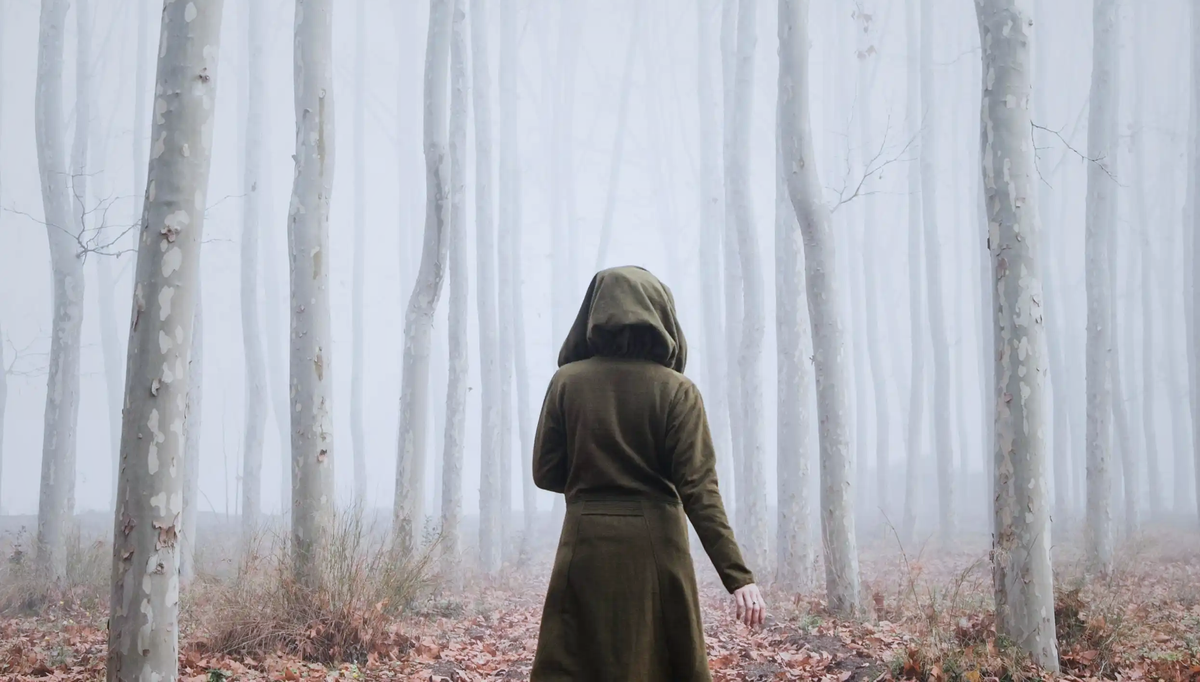
In the heart of modern Europe, in the southern Italian city of Benevento, a legend has been whispered for six hundred years. According to folklore, these mysterious women, known as the "Janare," gathered at midnight around a massive walnut tree to perform dark rituals. Yet, scratch just beneath the surface of this fairy tale, and you will find not a supernatural horror story, but a systematic campaign of social execution and silencing, masterfully orchestrated by the authorities of the era.
Broom Bristles and Braided Manes
The people of Benevento have internalized this legend so deeply over the centuries that they developed protection methods that push the boundaries of rational thought. Even today, six centuries later, an old broom still guards the doorsteps of many homes in the region. The belief dictates that a Janara attempting to enter in the dead of night will become so distracted counting the broom's bristles that she will forget to cross the threshold. If you were to wake up one morning to find your horse’s mane mysteriously braided, it meant only one thing: a Janara had taken it for a ride through the dark.

Scientists, Not Sorceresses
So who were these women, feared so intensely that townsfolk placed brooms at their doors to ward them off? In reality, the Janare were healers possessing vast knowledge of botany, anatomy, and medicine, passed down through generations. They were not practitioners of the dark arts; they were the marginalized, independent, and feared female scientists of their time.
In the 1400s, Benevento was an insular, wealthy, and impenetrable city. The independent authority and healing power these women held over the local populace deeply unsettled the official rulers of the era. The fact that the public turned to these wise women rather than to established institutions was an intolerable crisis for the hierarchy. To dismantle their reputation and reclaim social control, the authorities resorted to the cheapest and most effective weapon available: labeling them "witches."
The Modern Echoes of Collective Trauma
The psychological trauma inflicted by centuries of witch hunts still echoes through the narrow streets of Italy today. Some elderly women in the region have never sat in a hairdresser's chair in their entire lives, paralyzed by the fear that their fallen hair strands might be collected and used against them in a dark spell. This terror is not the byproduct of a myth, but the result of real, systemic oppression passed down through generations.
This reality forces the reader into a fundamental questioning of how history is written. A "witch's" true power never resided in the supernatural; her actual power lay in her courage to defy the rigid norms of her time.
All of this brings us to an inevitable question: Throughout history, did the word "witch" truly describe a supernatural threat, or was it simply the easiest weapon used to silence a powerful woman who dared to disrupt the social order?