What Are We Really Seeing When We Look at the Stars? The Optical Anatomy of the July Sky
You have the biology to see a 100-billion-star galaxy, yet a 30-minute rule holds you back. The optical illusions of the July night sky.
For centuries, looking up at the night sky has been defined as an act of looking outward, into the boundless void of the universe. Yet, every time we tilt our heads upward, what we experience is less about the depths of space and more a test of our own biology, neurological perception, and patience.
July, in particular, is a time of cosmic generosity, a period when our planet and its celestial neighbors fall into a perfect alignment. However, as modern humans gaze upon this massive visual archive, we remain entangled in our anatomical limits and the optical illusions fabricated by our own minds. The dark nights of July offer a perfect laboratory not just to see what is above us, but to understand how we perceive it—and why we so often fail to see it at all.
The 30-Minute Biological Threshold (July 14)
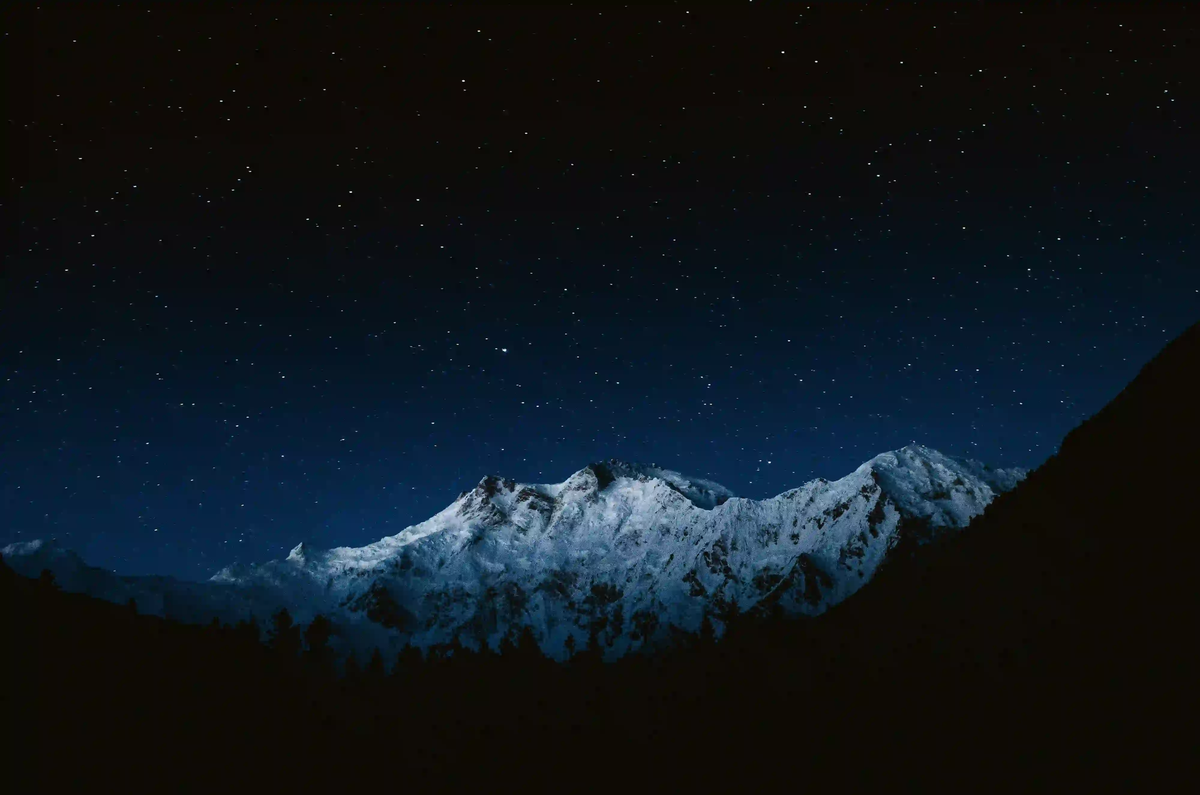
The undisputed masterpiece of the July sky is the core of the Milky Way galaxy, a colossal cosmic bulge home to roughly 100 billion stars. Around July 14, during the new moon phase when lunar light is completely absent, this massive galactic center emerges in all its glory across the southern horizon.
The human eye evolved with the capacity to witness this immense star cluster without the need for telescopes or optical aids. Our hardware is ready. However, the universe demands a biological toll that is increasingly difficult to pay. For a human to see the Milky Way's core with the naked eye, the pupils must complete a process known as "dark adaptation," which requires exactly 30 minutes of absolute darkness. The light-sensitive cells in our eyes reach their maximum sensitivity only after a half-hour of uninterrupted darkness, finally transforming into a lens capable of perceiving that faint galactic glow.
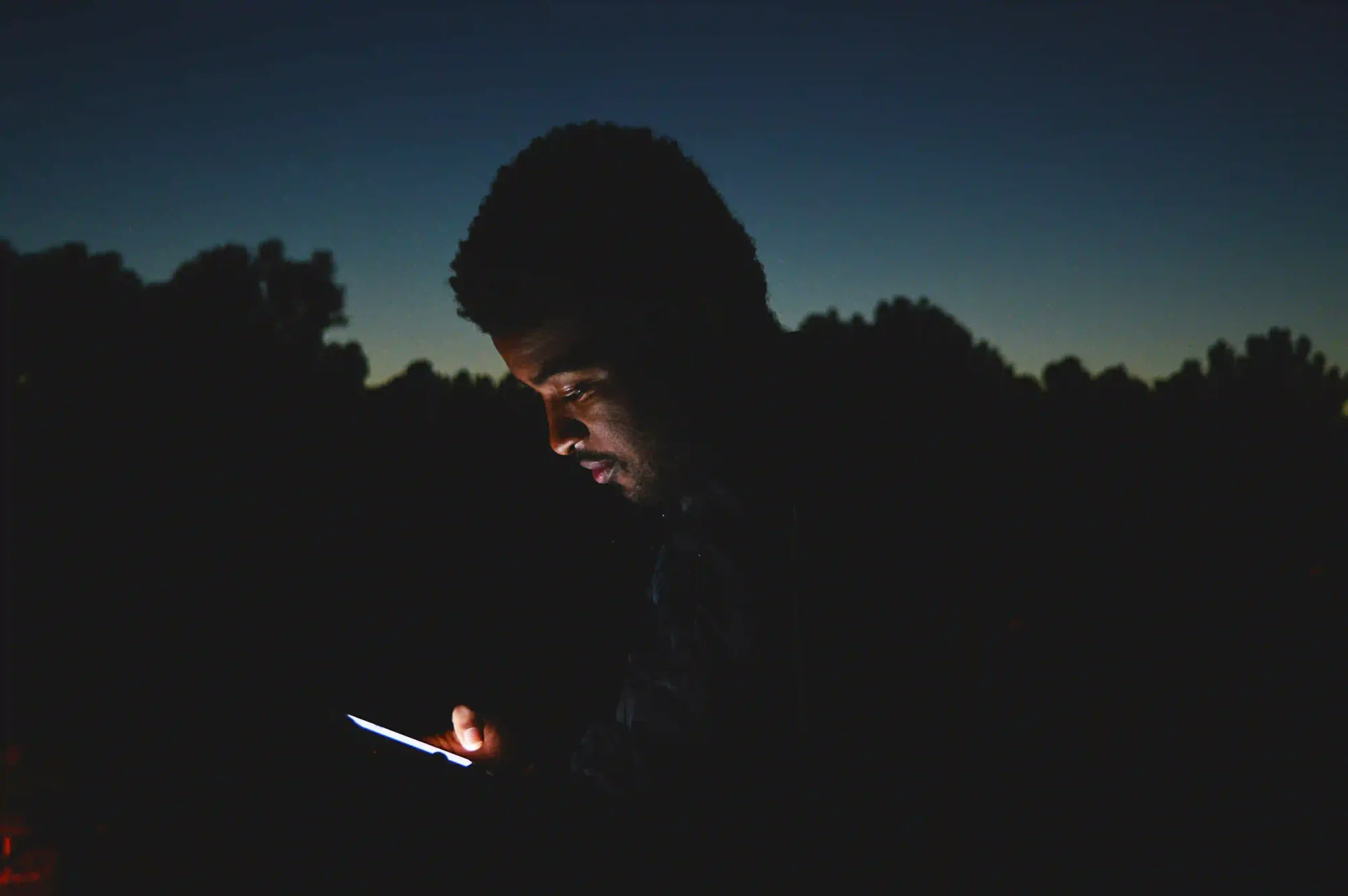
The artificial white light radiating from your smartphone—ignited for just a second to check a message or the time—instantly resets this biological countdown. Your pupils contract, your cells shut down under the harsh glare, and the 100 billion stars of the galactic core vanish into the pitch black in a matter of seconds. To see our own galaxy, we do not need advanced technology; we merely need the willpower to stand in the dark for 30 minutes without surrendering to artificial stimuli.
A Flawless Neurological Glitch: The Moon Illusion (July 28-29)
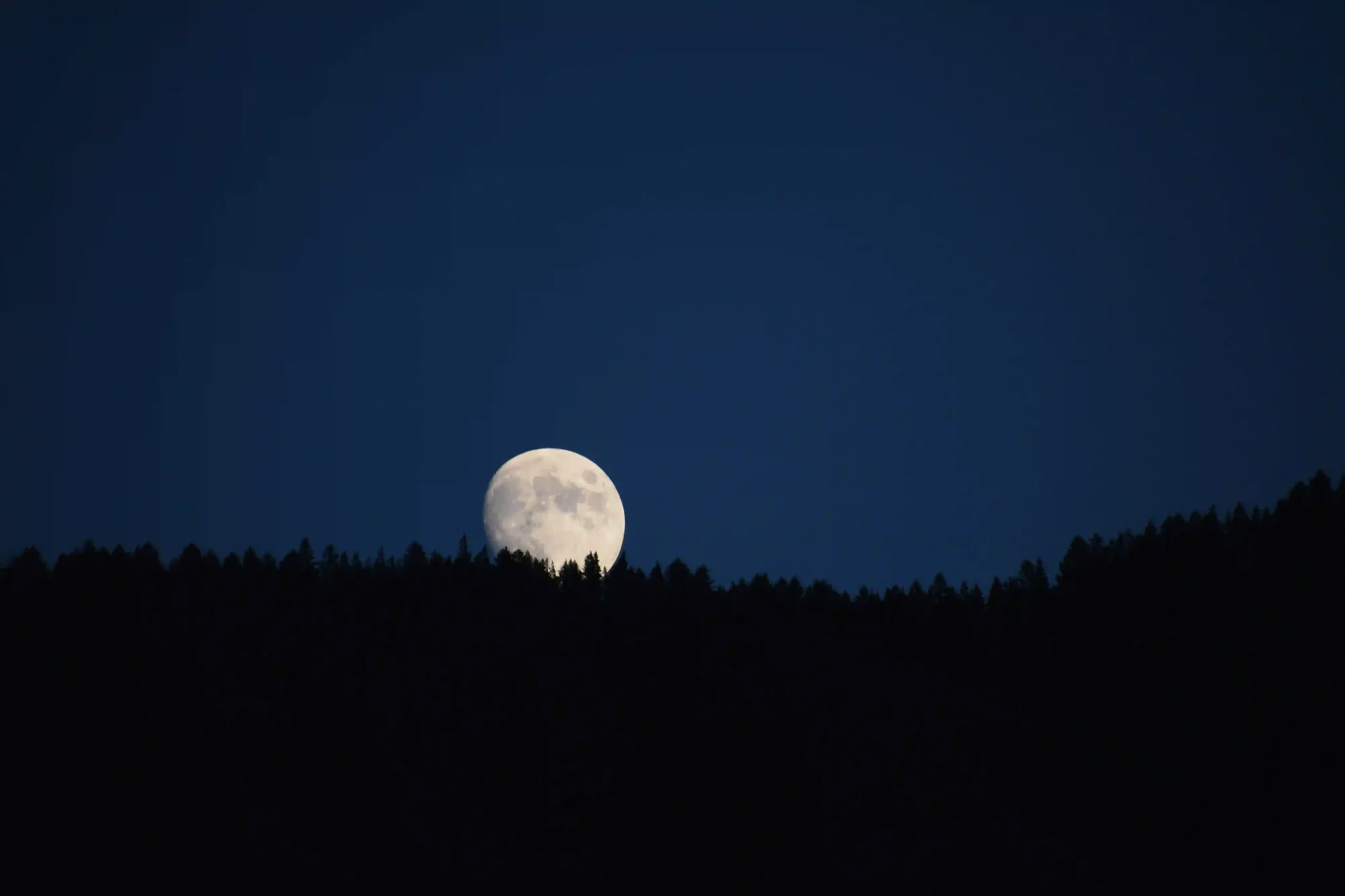
The sky manipulates not only our biological patience but also our perception of reality. Toward the end of the month, on the evenings of July 28 and 29, the full lunar orb—known as the Buck Moon this time of year—rises from the horizon appearing unusually colossal, almost as if it is about to collide with the earth.
This massive lunar spectacle, which has captivated humanity for centuries, is not caused by the moon physically moving closer to our orbit. It is a complete neurological collapse known in scientific literature as the "Moon Illusion." When the moon is at its zenith, our brain finds no reference points to compare it against and perceives it at its normal scale. But as it descends to the horizon, it aligns with trees, buildings, and mountains. When the brain attempts to process a cosmic rock on the same perspective plane as these terrestrial objects, it glitches, magnifying the moon to a gigantic proportion. The grandeur we witness on the horizon is not a cosmic feast, but a temporary paralysis in our own brain's depth perception.
Piercing the Atmosphere and Silent Conjunctions (Throughout July)
Against the backdrop of these grand illusions, a quiet but continuous choreography unfolds. Throughout the month, the moon and giant planets engage in close encounters. The tight pairing of the moon and Saturn above the eastern horizon after midnight on July 7-8 is followed by the elegant touch of a slender crescent moon and Venus in the western sky on the evening of July 17.
The real dynamic clash, however, takes place in the upper layers of the atmosphere in the final days of the month. On the nights of July 30 and 31, the Southern Delta Aquariids and Alpha Capricornids meteor showers peak simultaneously. Unfortunately, this year, their crescendo coincides with a bright waning gibbous moon. While the lunar glare will wash out most of the fainter streaks, the Alpha Capricornids' famous fireballs—bright enough to pierce through the moonlight—will continue to leave their mark for patient observers.
The July night sky tells us more about our own limits than it does about space. Whether it is the galactic core fading because we cannot endure 30 minutes without a screen, or the moon illusion appearing massive because we constantly compare it to our earthly surroundings; everything we see—or fail to see—above is a direct reflection of human nature.
Equipped with flawless biological hardware capable of viewing the heart of our 100-billion-star galaxy just by looking up, could it be that we are willingly choosing to remain blind to this universal heritage simply because we cannot keep our eyes open in the dark for half an hour without looking at a screen?
— Related Reading: 7 Documentaries That Will Change Your Relationship With the Planet