Digital Silence: Is Withholding a Location Selfish, or a New Conservation Instinct?
For years, sharing a newly discovered route or a pristine natural wonder with the masses was the unwritten rule of generosity in the digital world. Keeping a location to oneself was often condemned as an elitist, selfish, and exclusionary attitude. However, as waves of viral tourism begin to swallow the world's most fragile ecosystems one by one, a brand-new and controversial ethical dilemma is rising at the heart of modern travel culture: Is hiding the coordinates of a location from the world a selfish act of censorship, or a silent responsibility assumed toward nature?
From Discovery to Consumption: The Proof of "Being There"
The very nature of modern travel has undergone a radical mutation. We no longer set out to feel, understand, or integrate with a landscape; mostly, we travel simply to prove we were there.
Social media algorithms have instilled in us the illusion that we have the right to see and consume every square meter of the globe. In this new order, nature has ceased to be a sanctuary demanding respect, transforming instead into a flawless "backdrop" and content studio for our personal brands. The "hidden gems" that were the ultimate goal of travel enthusiasts until yesterday are no longer secrets; they have become photo queues where people wait for hours to consume uniform angles. The act of discovery has surrendered to ruthless consumption.
Victims of Virality: Two Cases of Digital Collapse
The scale of destruction a single geo-tag can wreak on the physical world is no longer a theoretical debate. The most concrete evidence of this is unfolding at opposite ends of the earth.
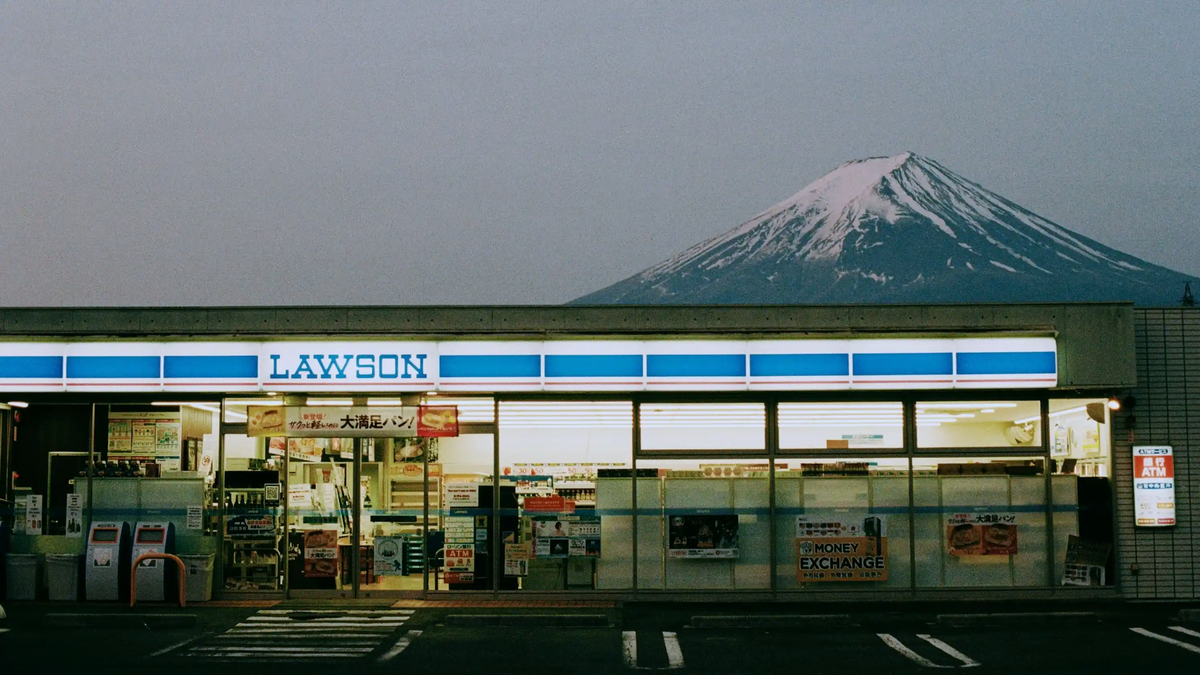
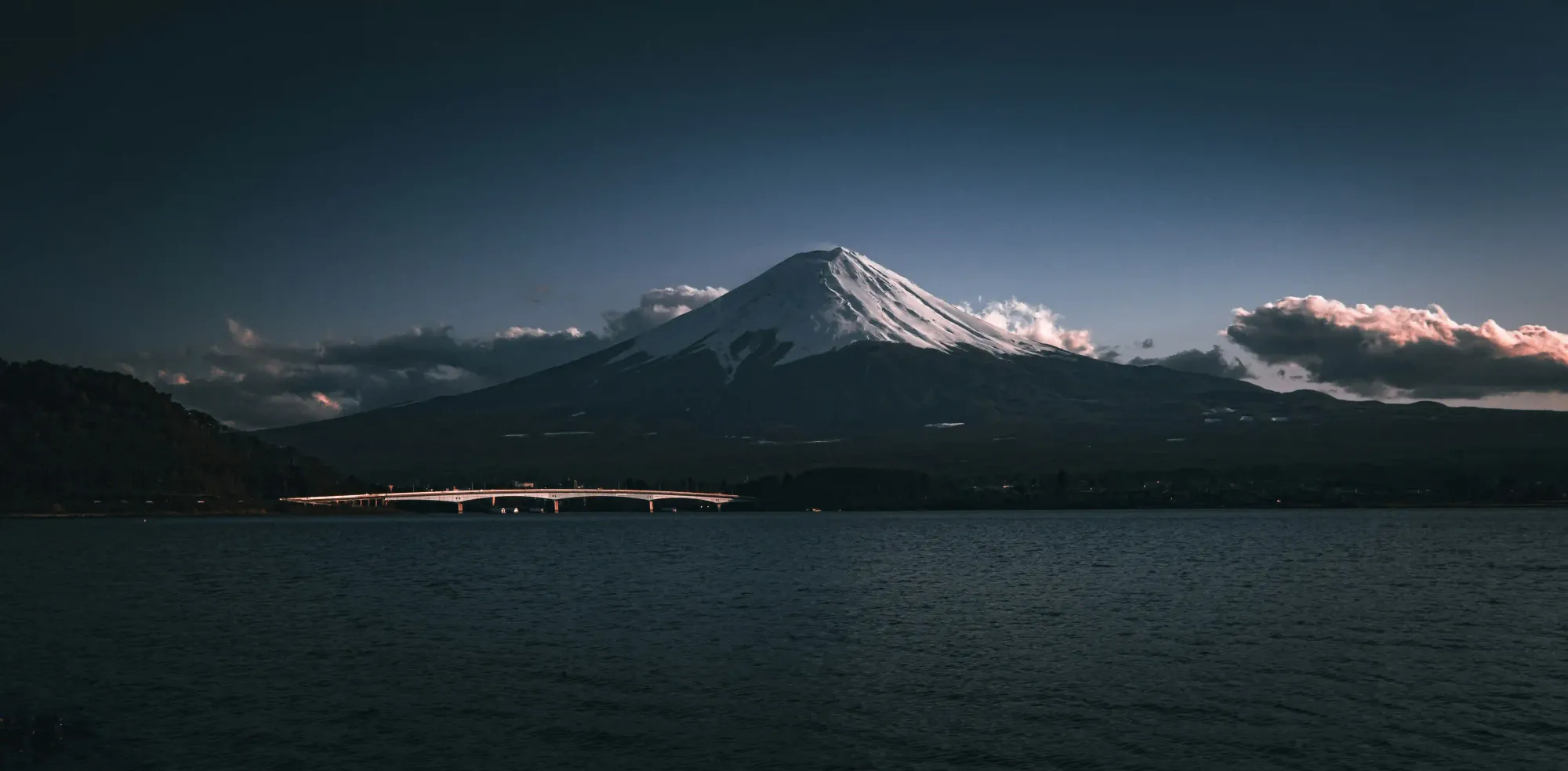
The Japanese town of Fujikawaguchiko became one of the most striking examples of this digital invasion. After a specific street capturing an iconic angle of Mount Fuji went viral on social media, the town literally suffered from tourist paralysis. As local life ground to a halt, the local government made one of the most radical decisions in modern tourism history: they erected a massive black net in front of the famous view. A natural wonder had become a victim of its own virality; beauty could only be protected by hiding it behind a curtain.
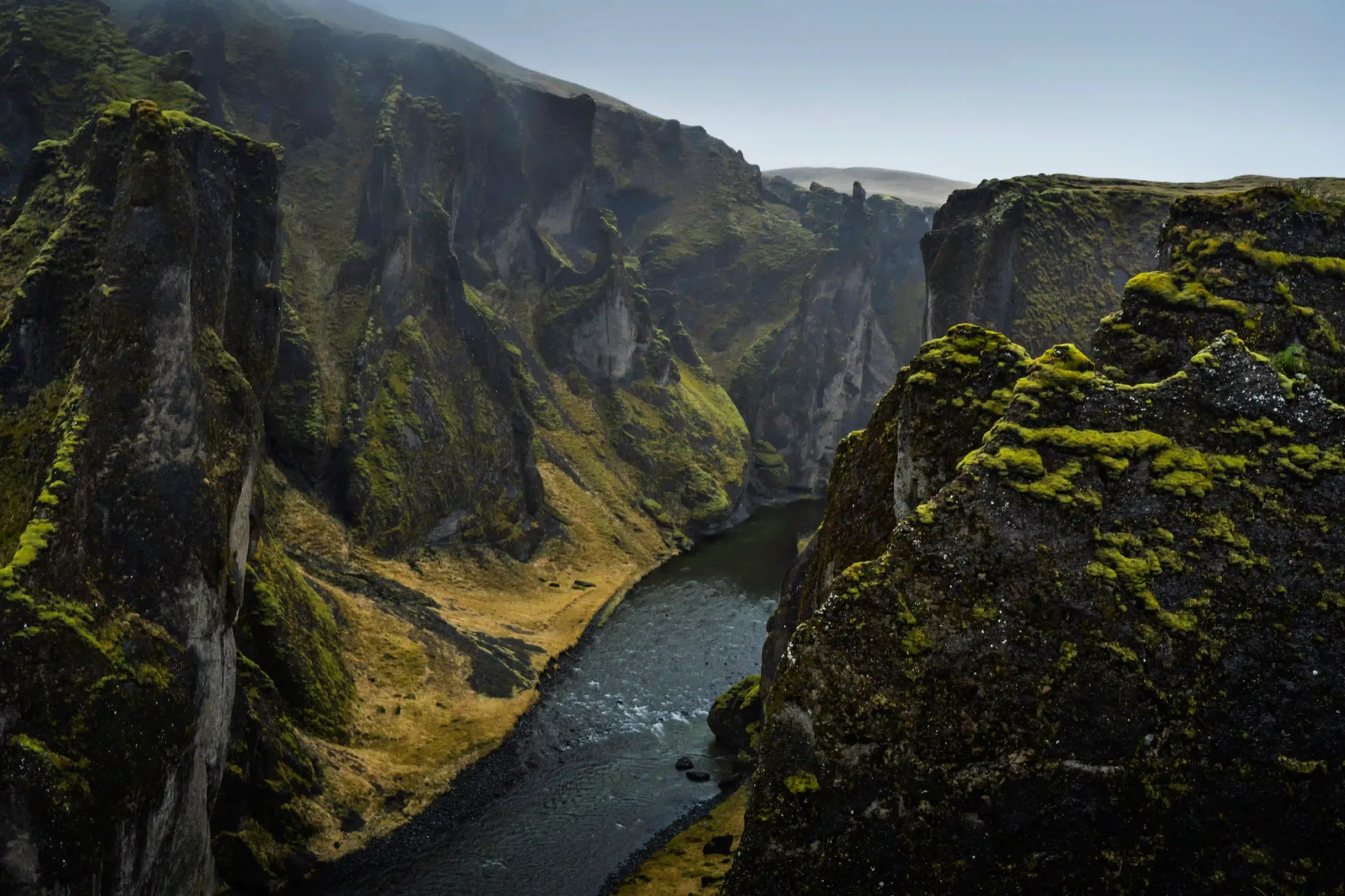
A similar scenario played out in Iceland, in a pristine canyon blanketed by thousands of years of fragile moss. A single music video shot in that canyon by a world-renowned artist instantly turned the area into a global tourism route. That delicate ecosystem, forged over millennia, was trampled under thousands of feet in just a few months, bringing it to the brink of annihilation. The Icelandic government was forced to close the canyon to visitors indefinitely.
These two cases confront us with a bitter reality: a seemingly innocent geo-tag holds the power to collapse an entire ecosystem overnight.
A New Ethical Paradigm: Digital Silence
Some landscapes are so fragile that they need our silence far more than they need our admiring gazes. It is precisely at this juncture that a new, unwritten rule is taking shape among conscious travelers and content creators: Digital Silence.
Digital Silence does not mean hiding a place from people or reserving it "only for a specific demographic." This approach is the virtue of sharing a location's art, the emotion it evokes, and its visual aesthetic with the world, while withholding its coordinates. It is not exclusionary; it is protective. It is giving nature the time it needs to breathe and heal without being crushed beneath a viral trend. The act of withholding a location, labeled for years as elitism, is today evolving into the most modern and acute instrument of environmental conservation. The goal is not to keep people out, but to keep the magic of that place intact.
We all know the golden rule of environmental consciousness that has guided generations of travelers: "Take only photos, leave only footprints."
Yet, this new reality we stand on the threshold of demands much more from us. Perhaps the new rule is this: In the modern world, the purest way to protect an ecosystem is to not even leave a digital footprint there.